BAGUIO CITY — The 30th edition of the Panagbenga Festival unfolded Saturday with a five-part historical tribute celebrating the resilience, creativity and transformation of Baguio City from devastation to global cultural recognition.
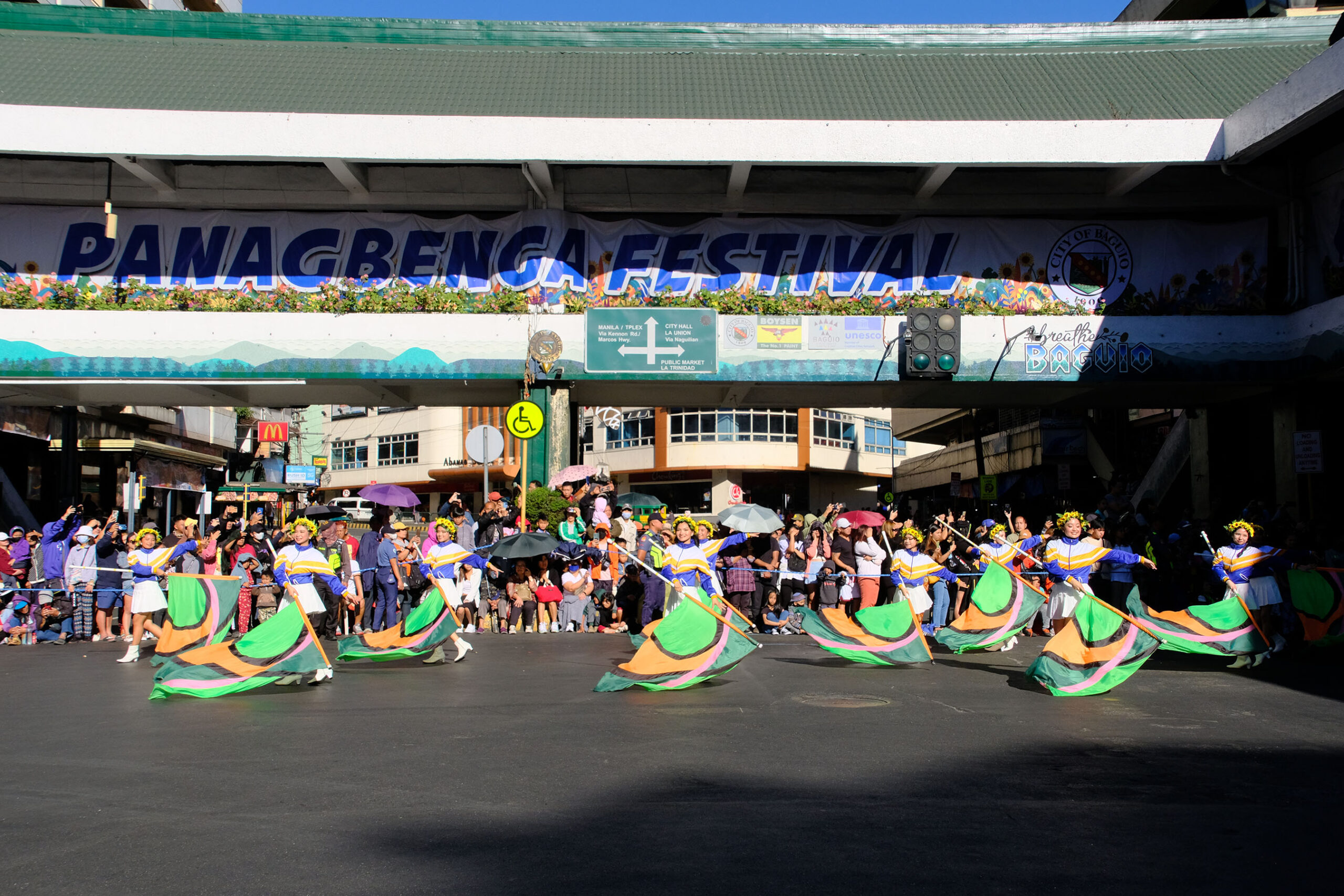
Staged during the Grand Street Dance Parade on Feb. 28, 2026, the special anniversary segment traced five significant eras in the city’s history — from its pre-Panagbenga years, through the aftermath of the 1990 earthquake, to its emergence as a Creative City engaged in international cultural exchange.
Before a 7.7-magnitude earthquake struck Northern Luzon on July 16, 1990, Baguio was widely known as the country’s Summer Capital and a Hall of Famer in the National Clean and Green Program.
The quake left Baguio among the hardest hit, causing widespread destruction and forcing the city to rebuild both its infrastructure and economy.
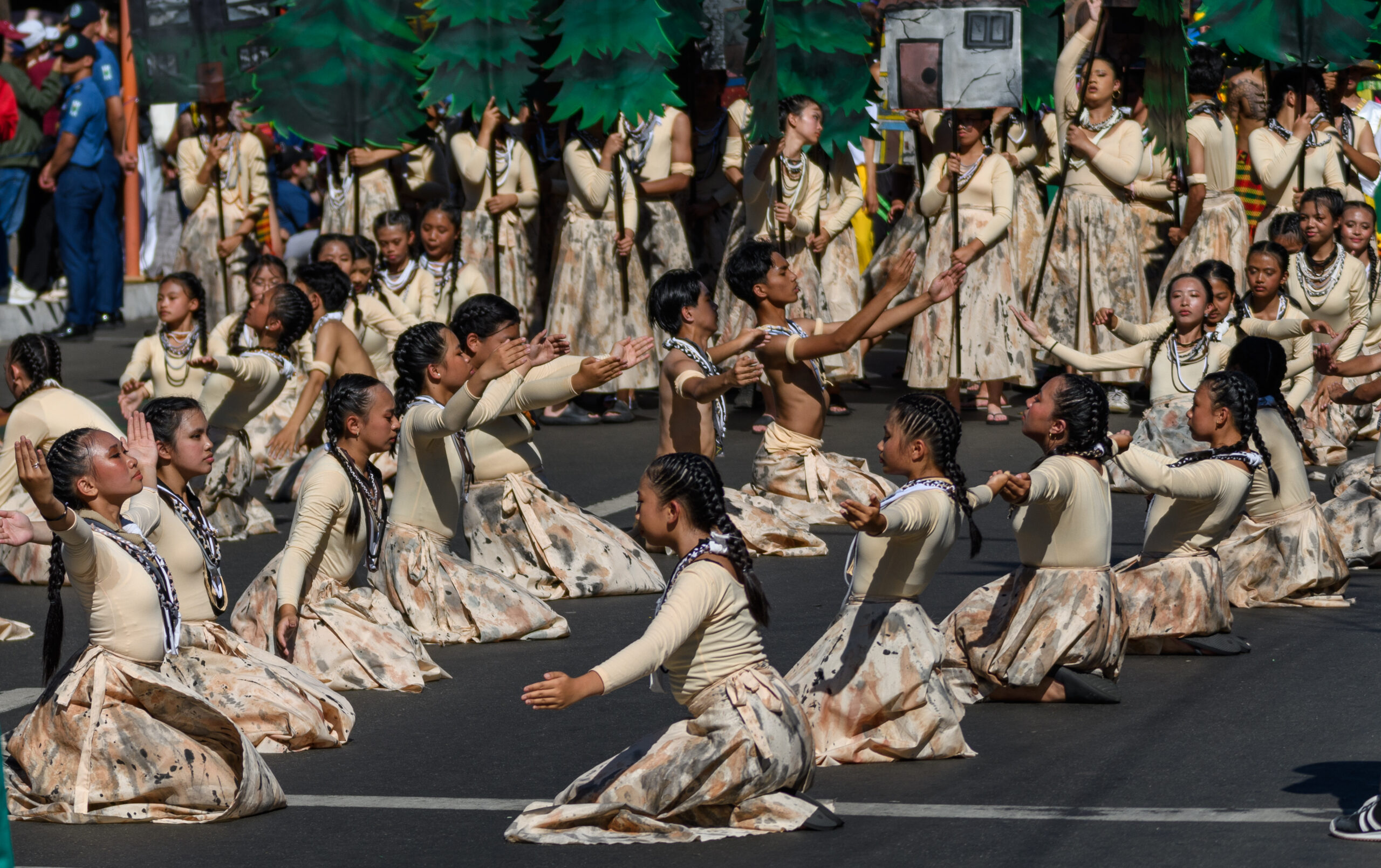
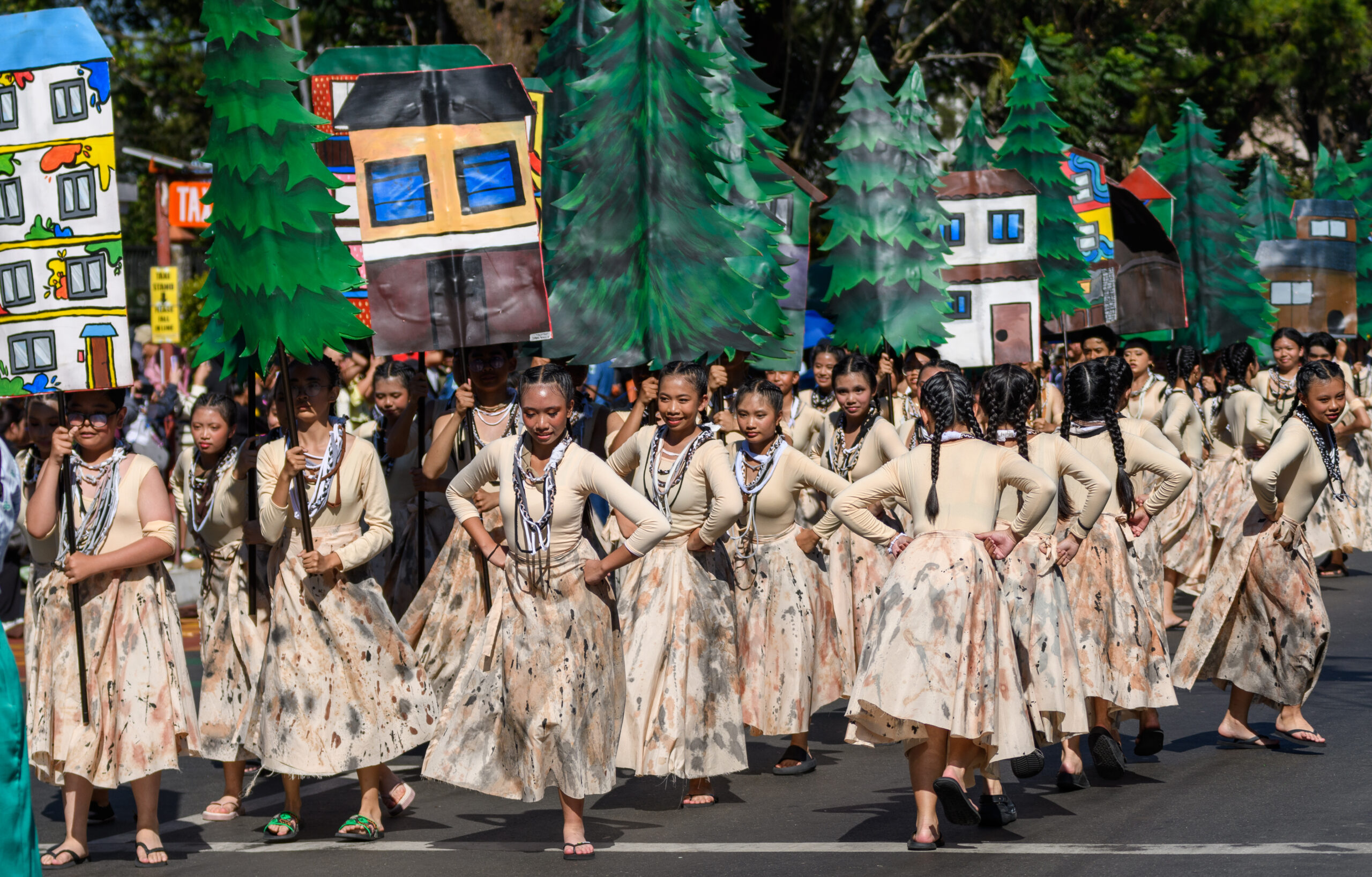
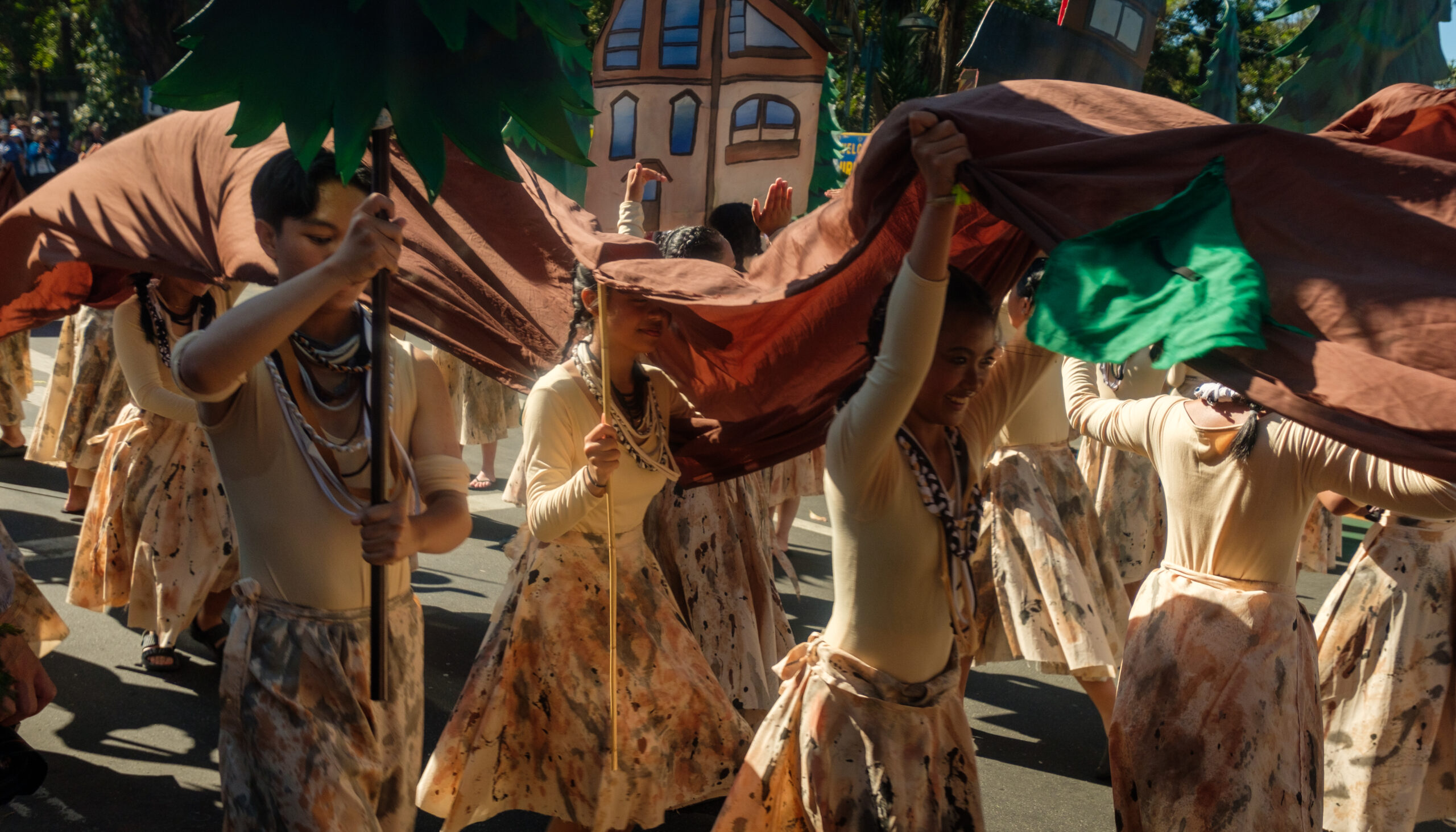
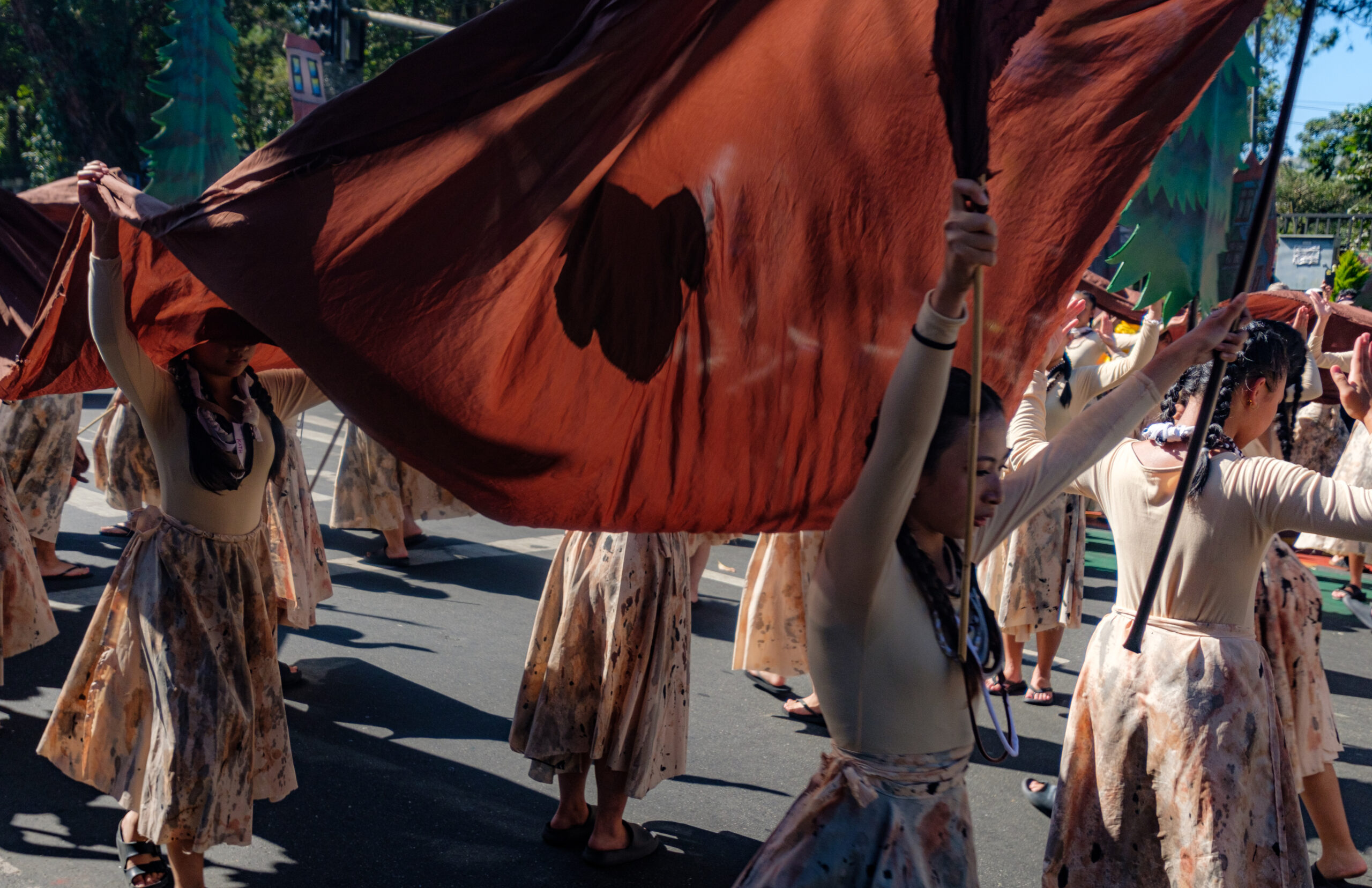
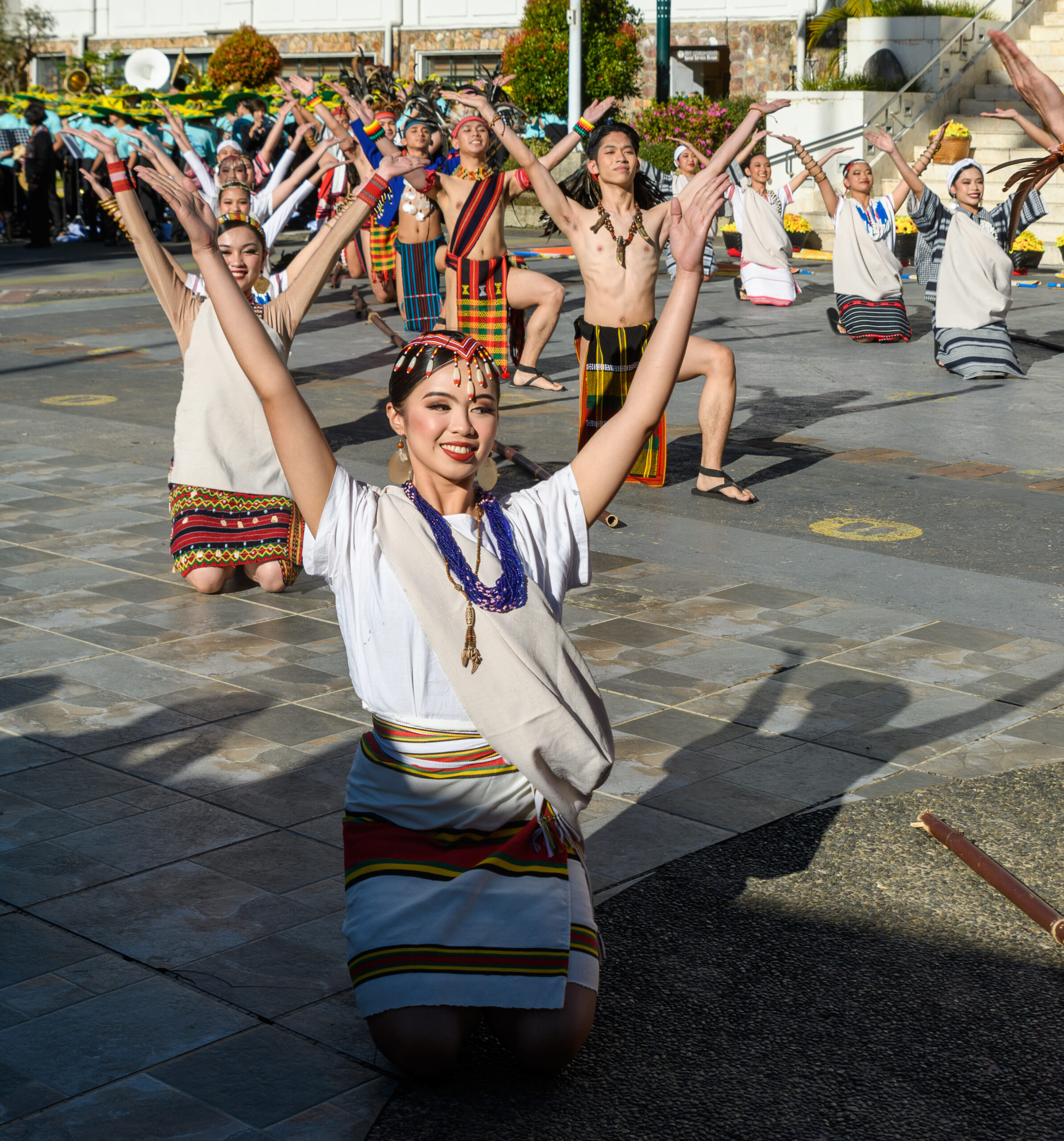
Students from the Baguio City National High School Special Program for the Arts performed the earthquake-era segment, portraying scenes of upheaval and recovery through expressive choreography that drew strong applause from spectators lining the parade route.
Five years after the disaster, civic leaders launched what would become Panagbenga in 1995 as a means to restore hope and revive the local economy.
Then lawyer and civic leader Damaso Bangaoet Jr. helped spearhead the initiative.
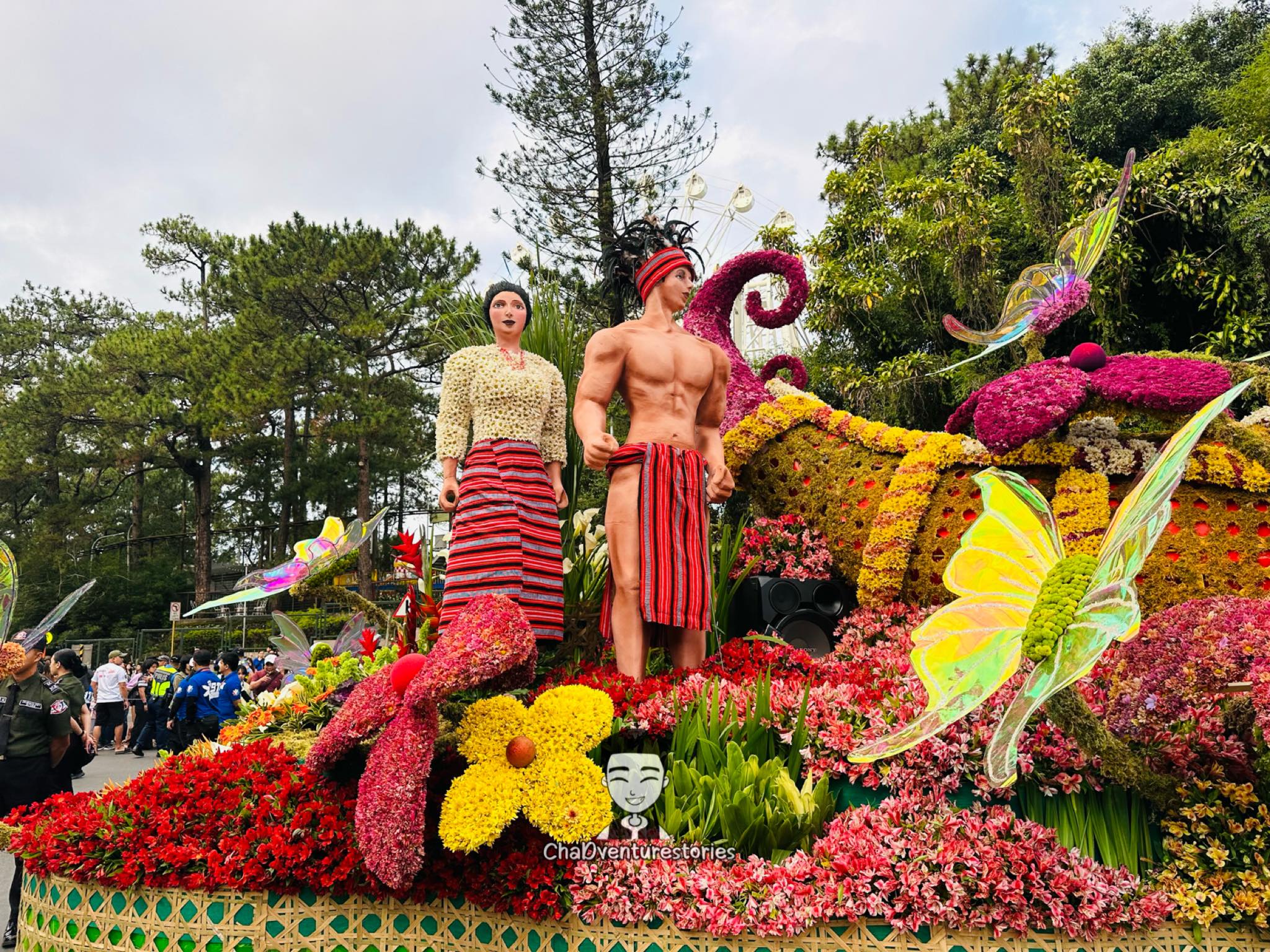
The festival’s name comes from a Kankanaey term meaning “season of blooming,” symbolizing renewal.
Its inaugural staging carried the theme “The Birth of a Tradition.”
Performers from the University of Baguio, Saint Louis University Laboratory Senior High School, and University of the Philippines Baguio joined the tribute, highlighting the city’s artistic evolution and forward-looking vision.
In 2017, Baguio was designated a Creative City of Crafts and Folk Art by UNESCO, recognizing its strong artistic traditions and contemporary creativity with global value.
The festival has also received recognition from the International Festivals & Events Association for excellence in programming and cultural presentation.
From a city once devastated by disaster, Baguio now sustains Panagbenga as a bridge between local pride and global cultural presence — a flowering tradition rooted in resilience.