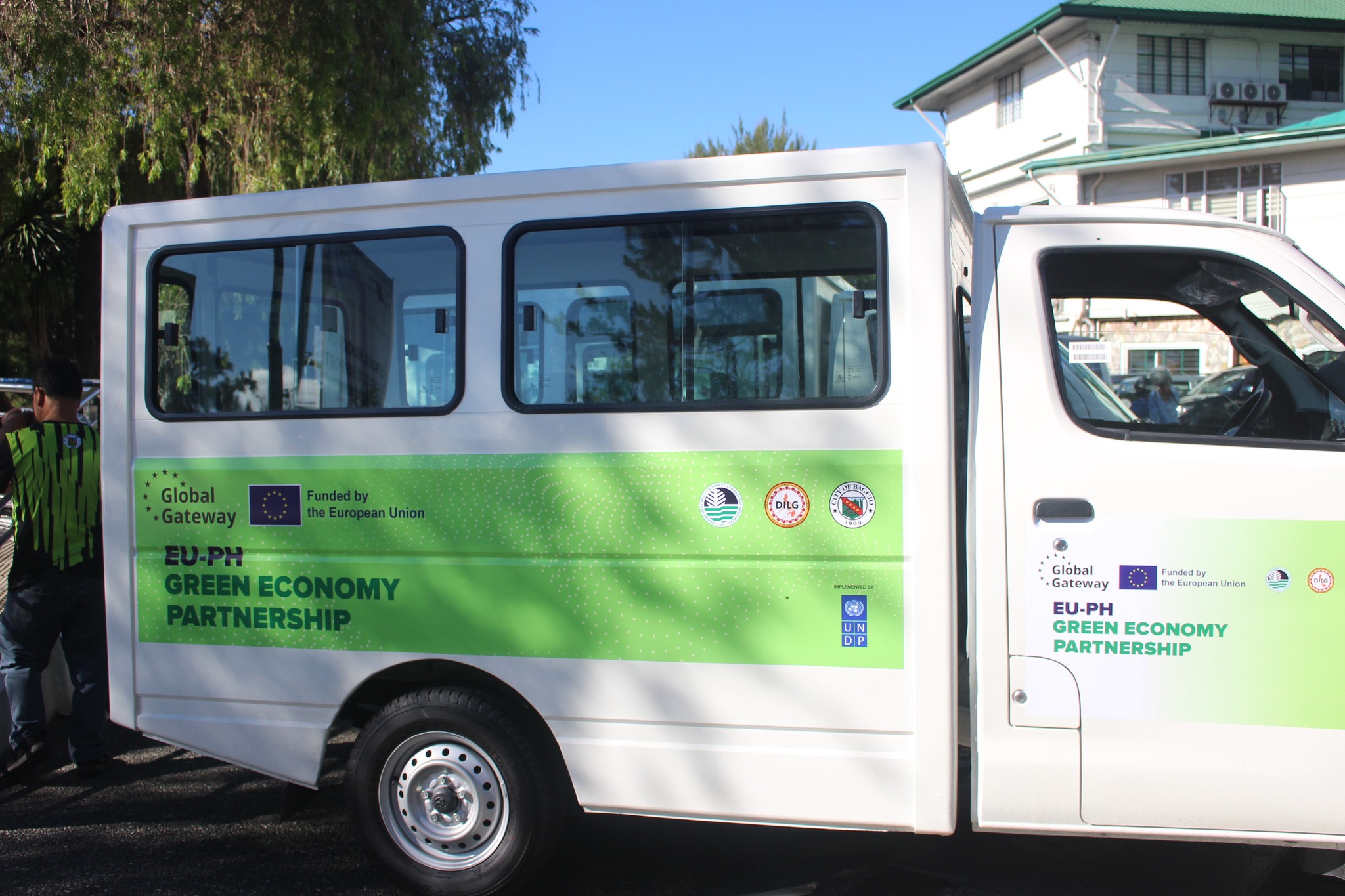
BAGUIO CITY — Baguio City has expanded its waste management capacity with a total of nine “circularity vehicles” provided through the European Union‑Philippines Green Economy Partnership (EU‑GEP) and the United Nations Development Programme (UNDP) to boost its circular economy program Pansa‑nopen Tayo.
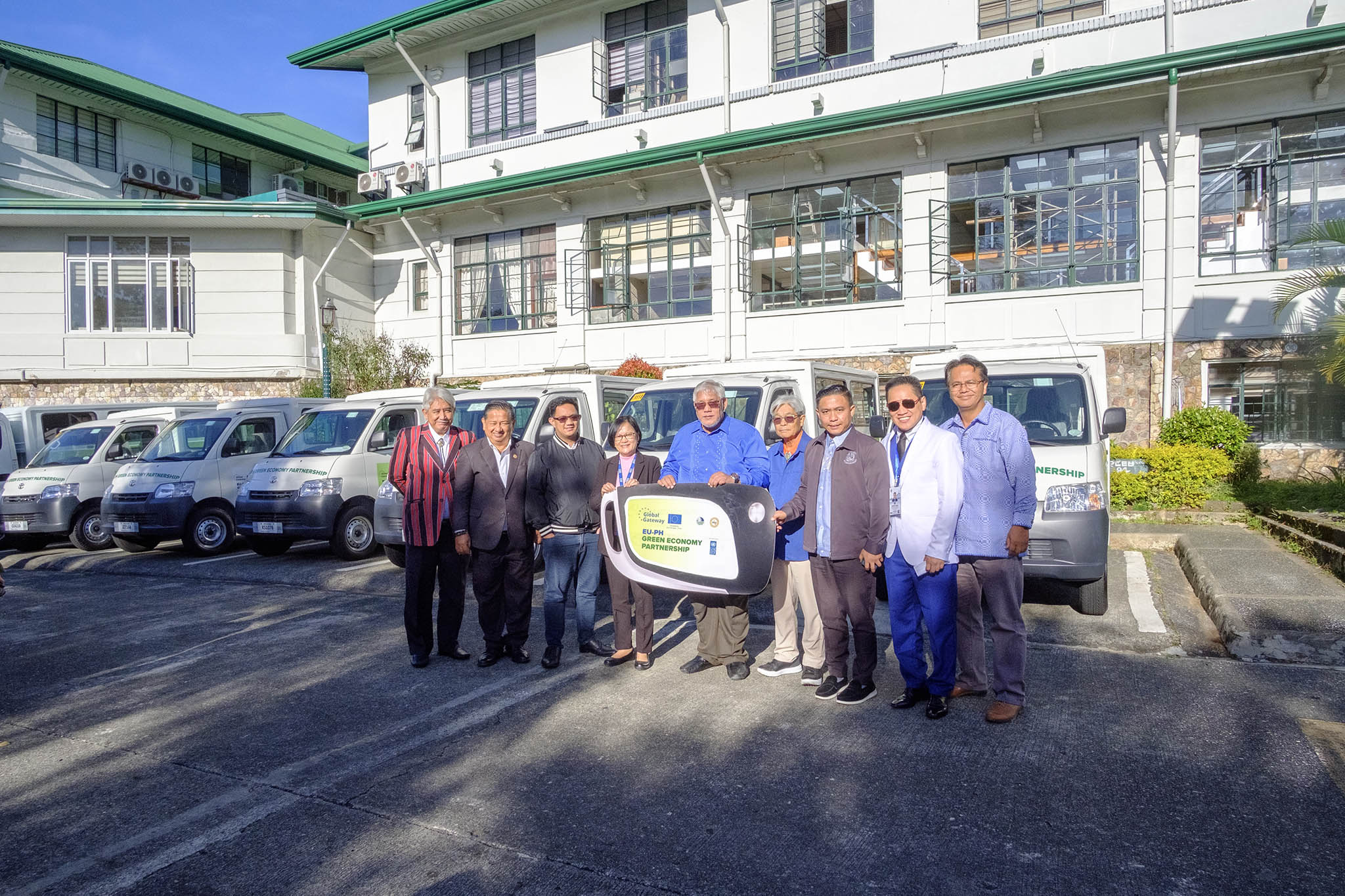
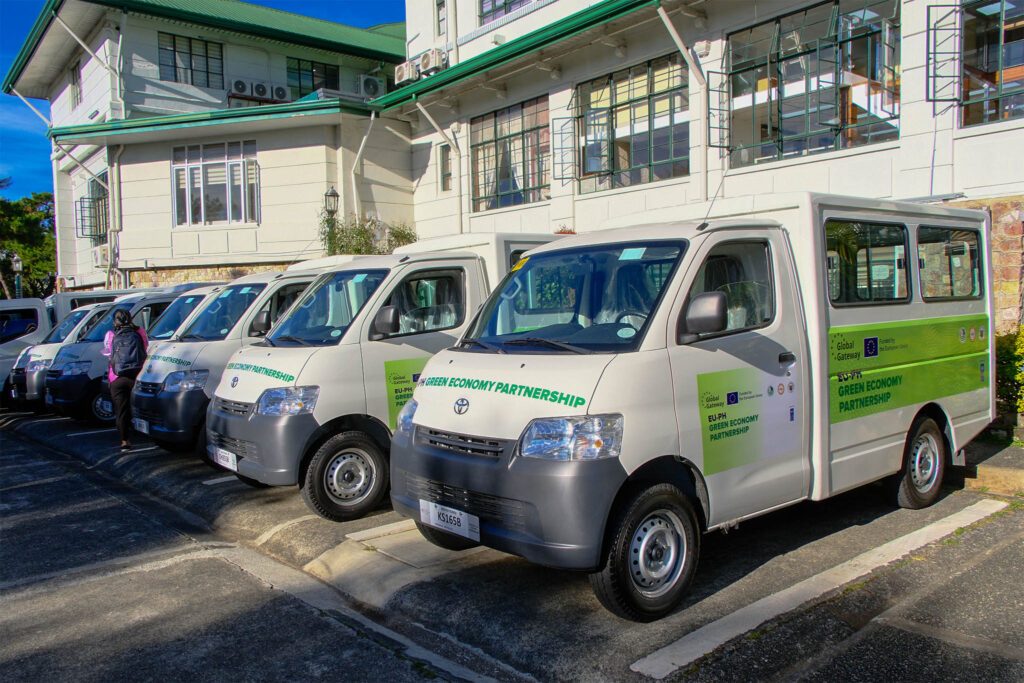
The latest transfer of three light trucks for food waste collection was formally received by Acting Mayor Faustino Olowan and Acting Vice Mayor Edison Bilog during a ceremony at Baguio City Hall on Dec. 15.
These complement six utility vans earlier handed over on Dec. 2 for plastic waste collection, bringing the city’s circular economy support fleet to nine vehicles in total.
The six vans are deployed in six pilot barangays — Gibraltar, Guisad Central, Irisan, Bakakeng Central, Dominican Mirador, and Happy Hollow — to collect plastic wastes for processing at barangay materials recovery facilities (MRFs).
The collected plastics are intended to help women and other GEDSI (Gender Equality, Disability, and Social Inclusion) groups develop business models around recyclable materials.
Read also: EU, UNDP donate trucks to boost Baguio waste efforts
The newly added three light trucks will focus on food waste collection, working closely with the city’s Black Soldier Fly facilities to process organic waste more sustainably — a key component of the city’s circular economy efforts.
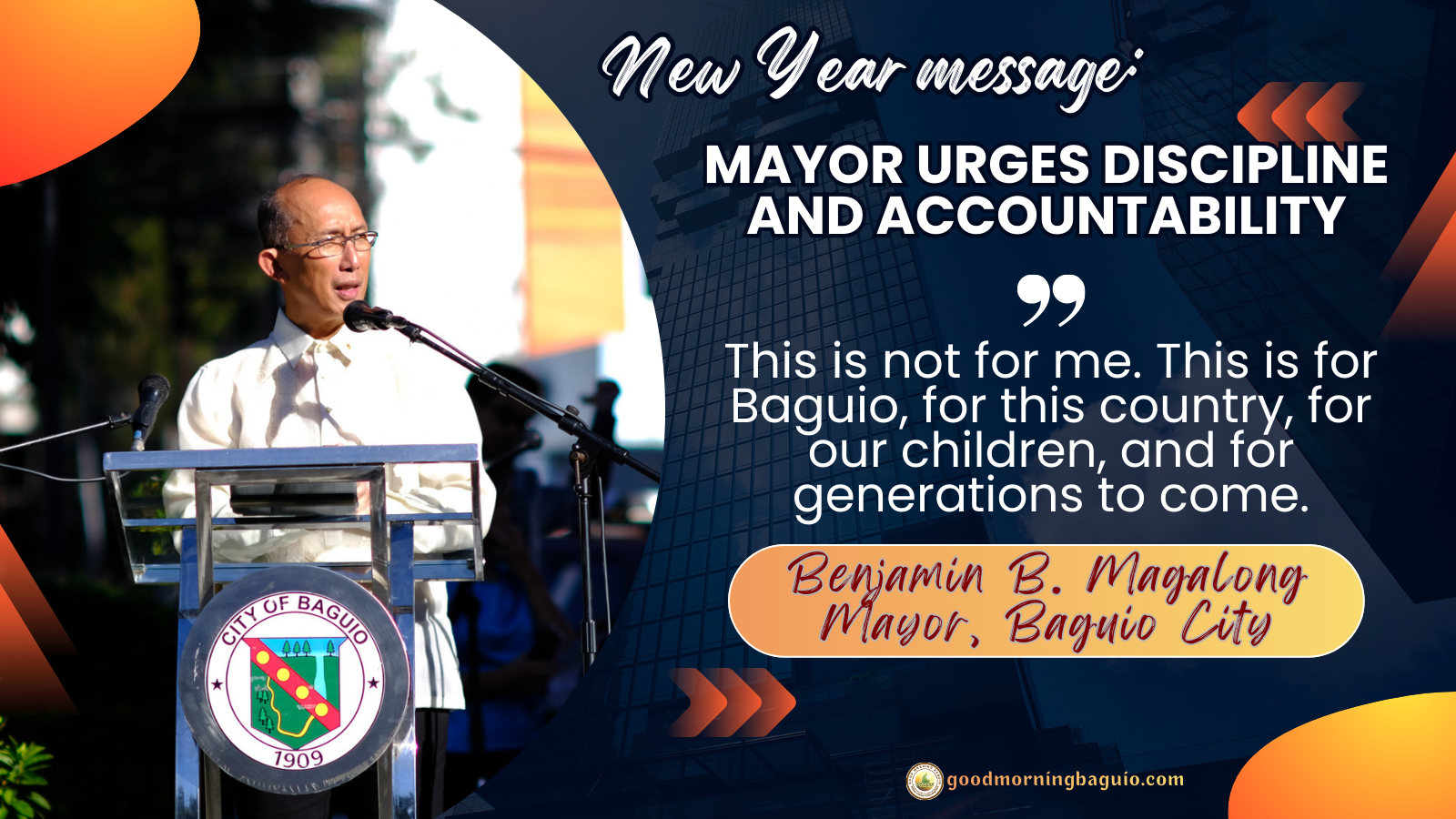
Mayor Benjamin Magalong expressed gratitude to the EU‑GEP and UNDP, saying the support aligns with Baguio’s development agenda to transition toward a broader circular economy and sustainable waste management system.
The vehicle donations are part of a P20‑million funding package agreed upon with the EU‑GEP and UNDP to implement programs under Pansa‑nopen Tayo, which aims to reduce waste, foster inclusive community participation, and strengthen local circular economy infrastructure.