BAGUIO CITY — Confronted with rising environmental strain and global economic uncertainty, Baguio City is accelerating its shift toward circular tourism, positioning sustainability as central to its future growth.
City officials and stakeholders convened for the two-day Baguio Circular Tourism Summit 2026, which opened March 30, to promote a tourism model that reduces waste, optimizes resources and strengthens local livelihoods.
Dubbed “Baguio Weave: Weaving a Circular Tourism Ecosystem,” the summit gathered government leaders, businesses, development partners and community groups to craft strategies aimed at transforming the city’s tourism industry.
The initiative comes as tourism-dependent economies face mounting pressures from fuel price volatility, geopolitical tensions and supply chain disruptions.
While tourism remains a major economic driver for Baguio, it also contributes to increasing waste, congestion and resource strain.
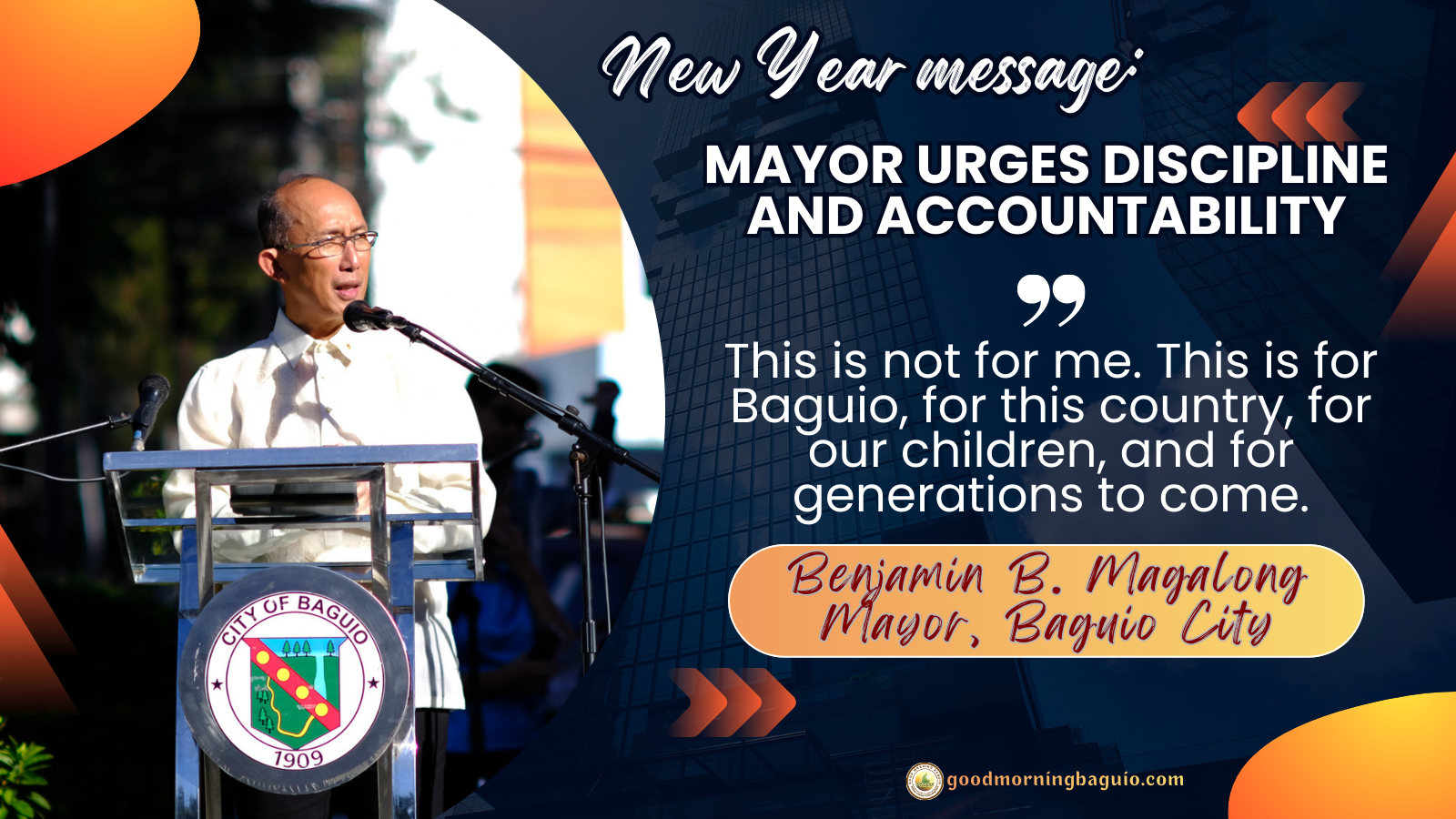
Mayor Benjamin Magalong said the shift to circular tourism offers a “clear and hopeful path forward,” emphasizing the need for collective action.
“We have seen how communities can come together to embrace circular systems—minimizing waste, maximizing resources, and protecting what matters most,” he said.
The circular model moves away from the traditional “take-make-waste” system toward a “use-reuse-regenerate” approach, aimed at extending resource life cycles while creating new opportunities for small businesses, artisans and innovators.
The summit includes technical sessions, planning workshops and business-matching activities designed to produce Circular Tourism Action Plans and pilot projects.
The effort is supported by international development partners and aligns with the city’s broader sustainability agenda, including improvements in waste management and environmental education.
Waste costs, behavior change
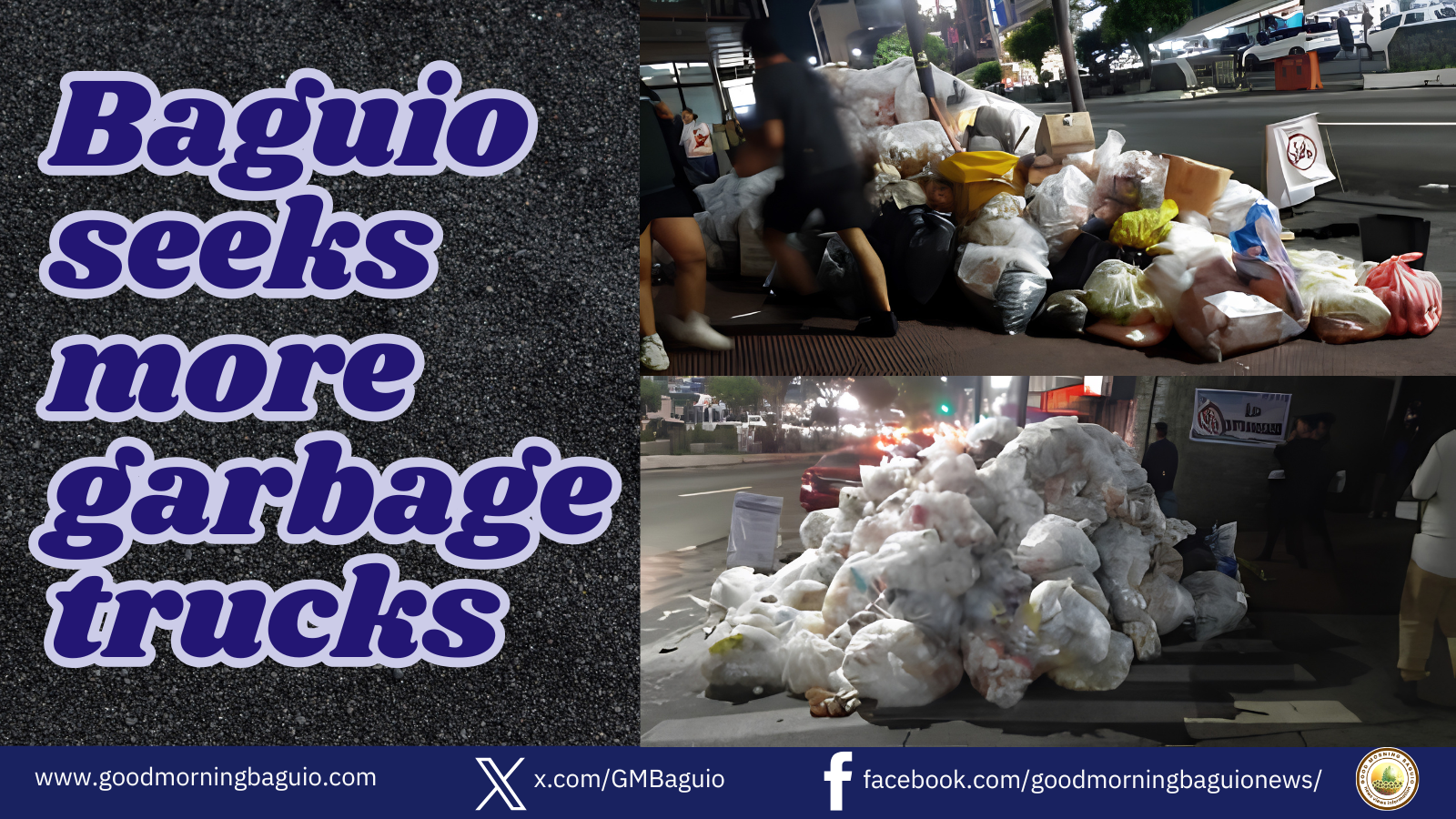
City officials underscored the financial urgency of the transition, noting that Baguio spends about P200 million annually to transport waste to landfills. Reducing waste generation could free up funds for other public services.
City Planning, Development and Sustainability Office head Arch. Donna Rillera-Tabangin said the transition to a circular economy will require gradual but consistent behavioral changes.
“This paradigm shift will take time, especially in how people use and dispose of resources,” she said.
‘Pansa-Nopen Tayo’ framework
At the core of the initiative is “Pansa-Nopen Tayo,” a campaign rooted in local culture that promotes shared responsibility and resourcefulness.
The framework is anchored on three key areas: community-based circularity programs, sustainable tourism practices and green education.
Pilot programs under the community track are already underway in six barangays, focusing on waste segregation, recycling and citizen engagement.
The tourism component encourages businesses to adopt sustainable practices, such as reducing single-use plastics through refillable systems in hotels and establishments.
Meanwhile, the education track aims to integrate circular economy principles into schools starting in the 2026–2027 academic year.
Youth, innovation drive change
Officials also highlighted the role of youth and innovation in advancing sustainability efforts.
Preliminary findings from stakeholder studies show younger generations are highly engaged in environmental advocacy, often sharing their efforts through social media and responding well to interactive, gamified approaches.
The initiative also emphasizes inclusivity, recognizing the role of informal waste workers and involving sectors such as women, senior citizens and community groups.
Toward a sustainable future
Organizers said the long-term goal is to position Baguio as a national model for circular tourism—balancing economic growth with environmental protection and community well-being.
Magalong stressed that the city’s vision goes beyond increasing tourist arrivals.
“The goal is better tourism—one that delivers higher value while reducing its impact and improving quality of life for our communities,” he said.
Despite ongoing challenges, city officials expressed confidence that sustained collaboration and small, consistent actions can drive meaningful change toward a more resilient and sustainable Baguio.