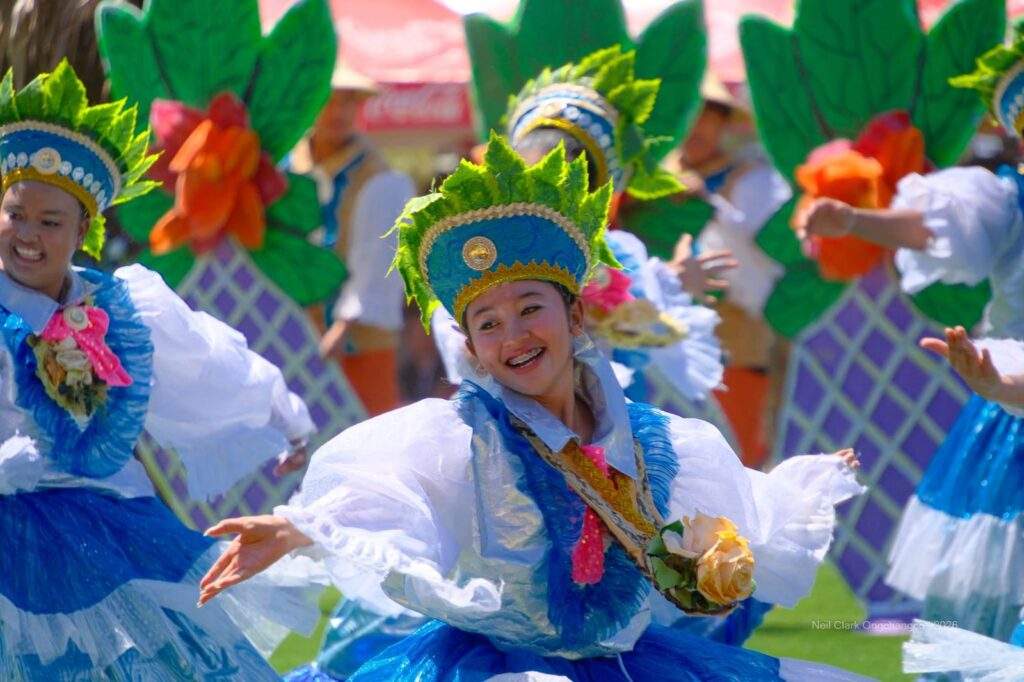
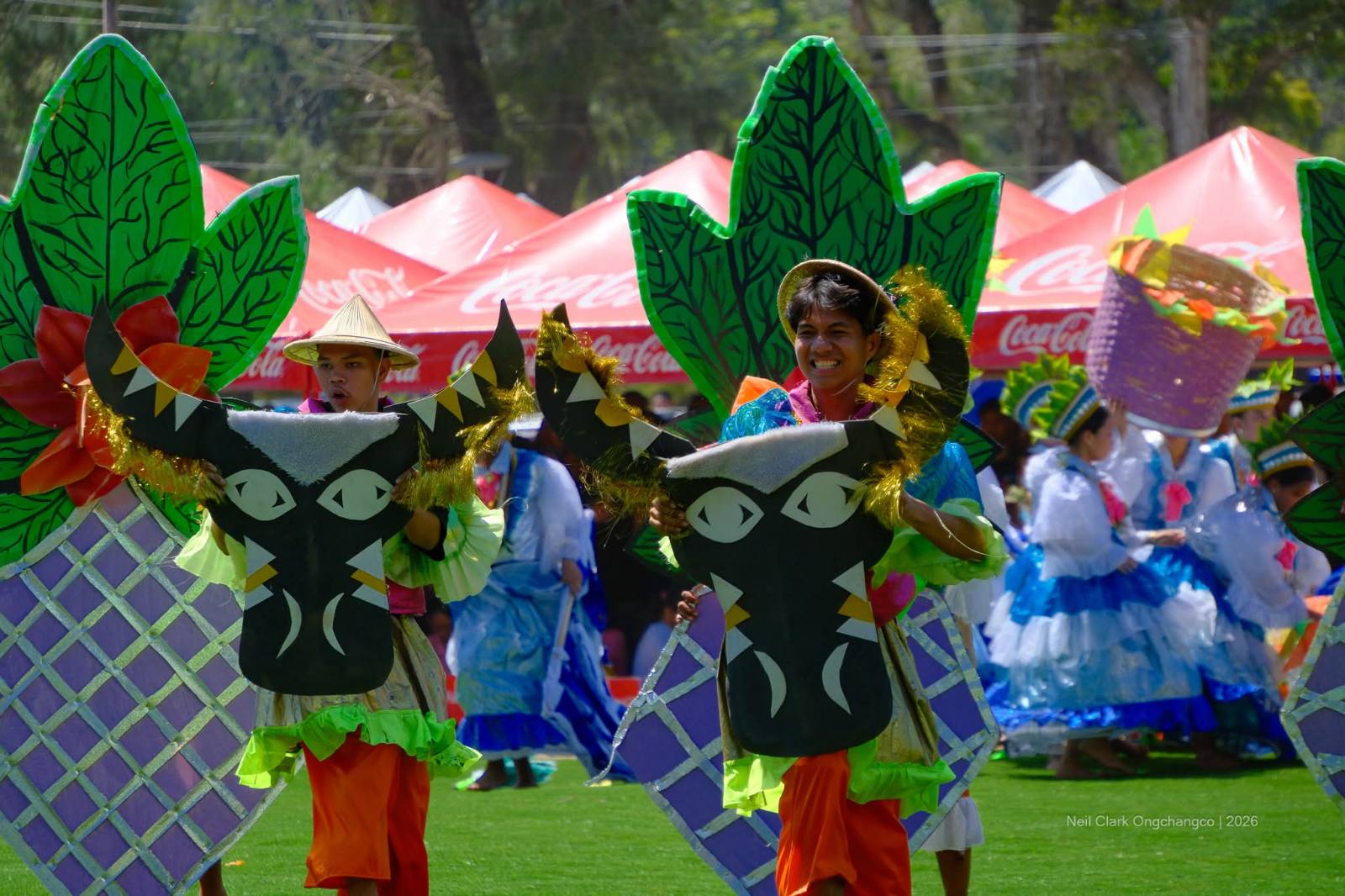
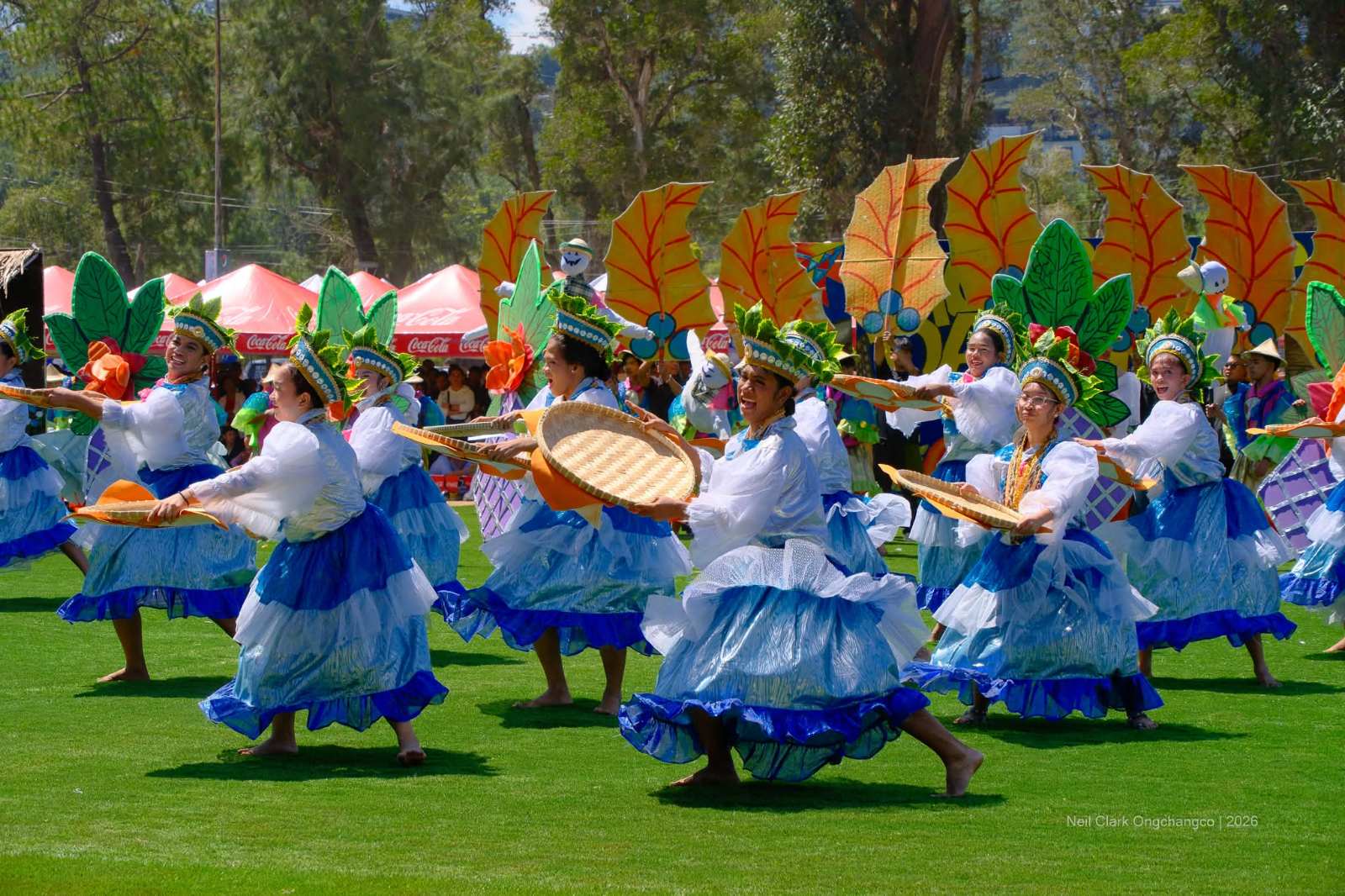
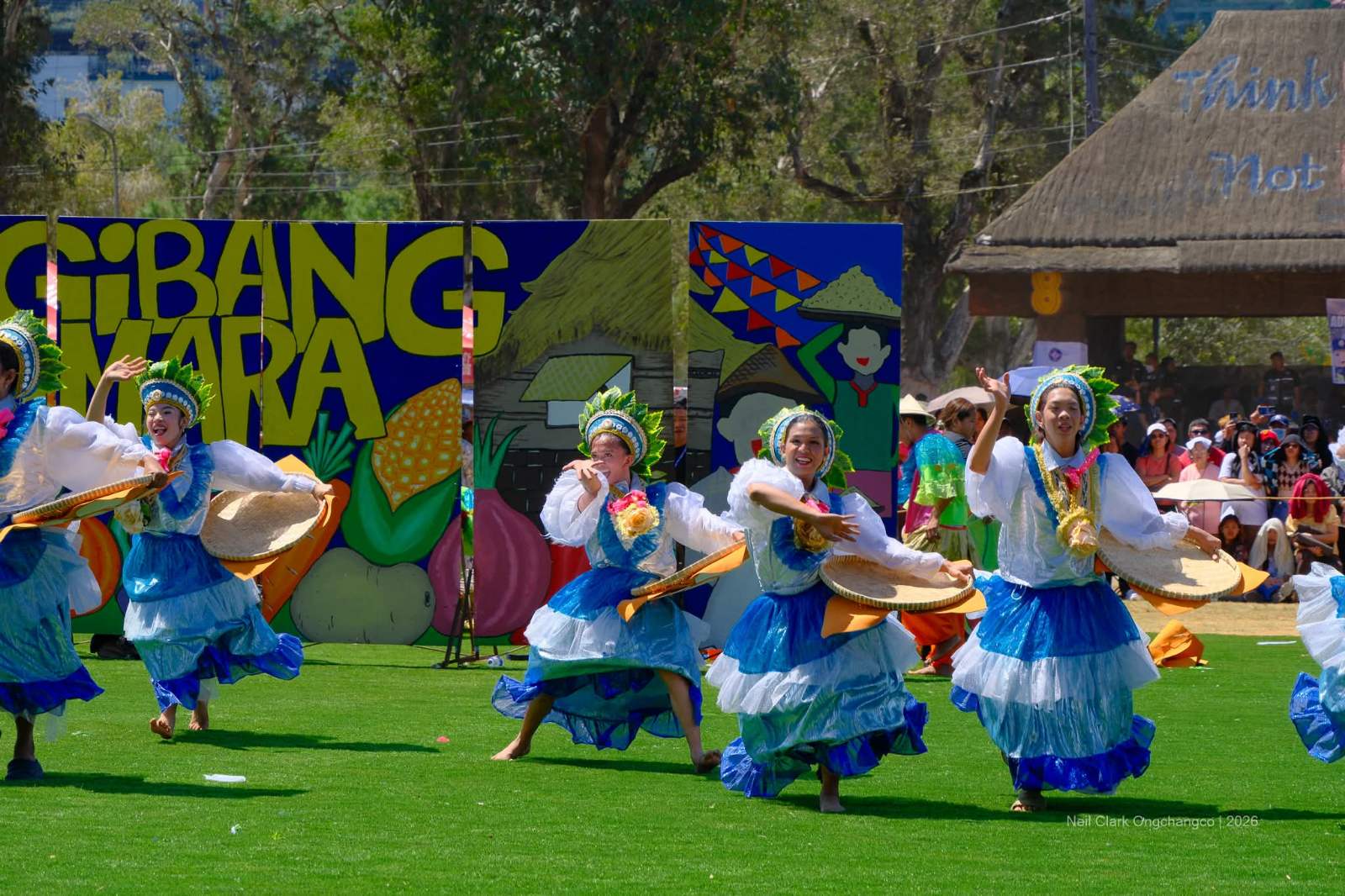
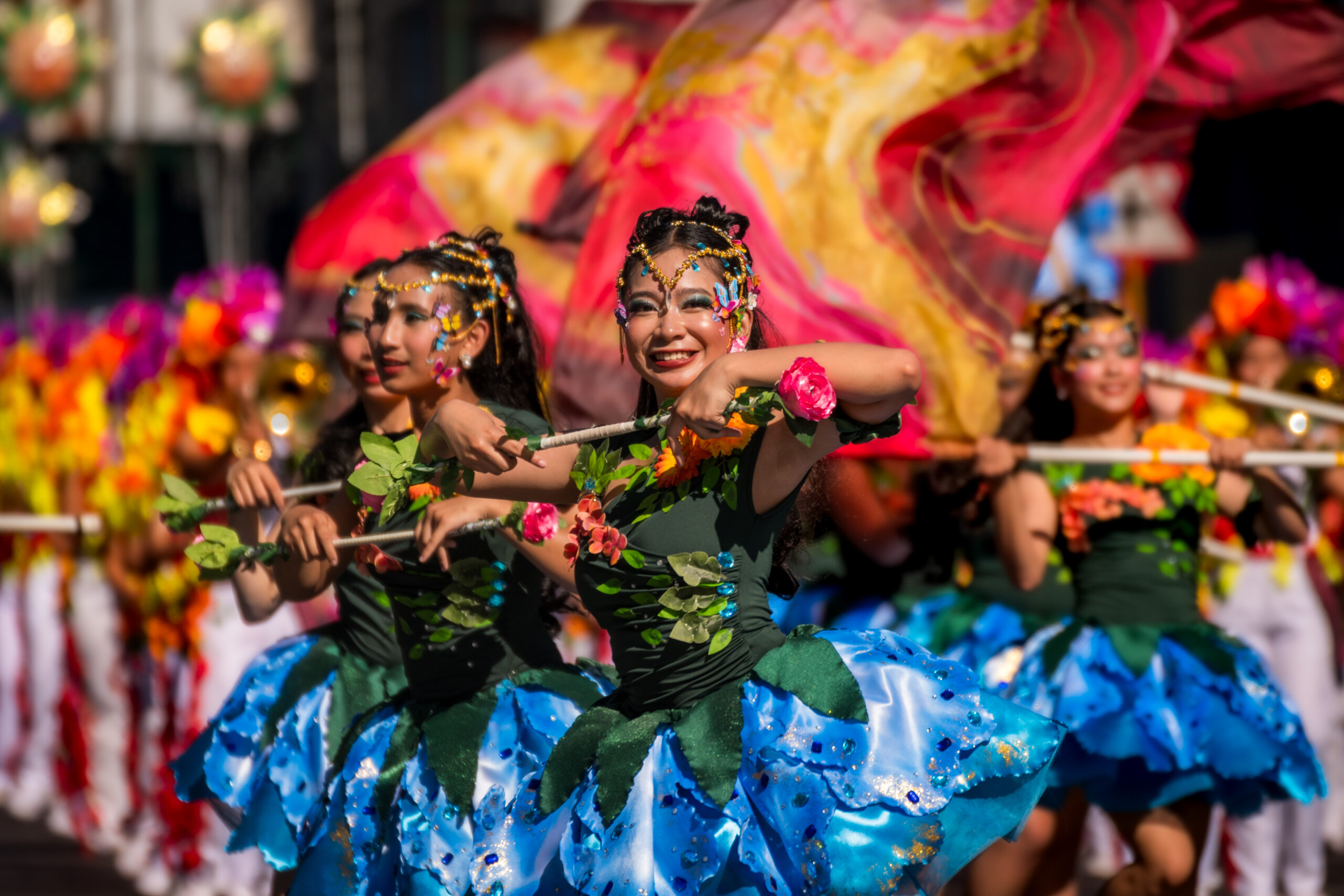
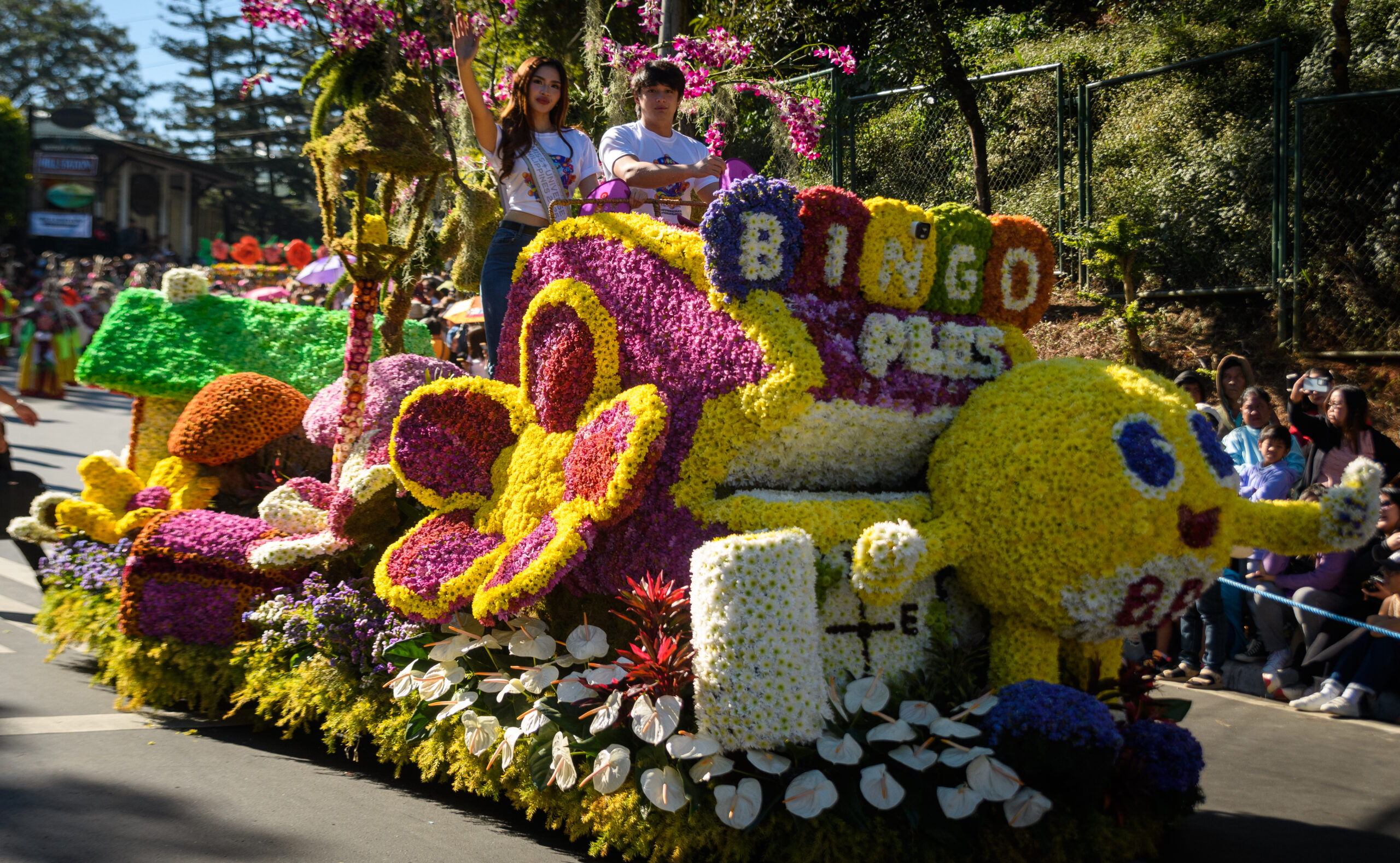
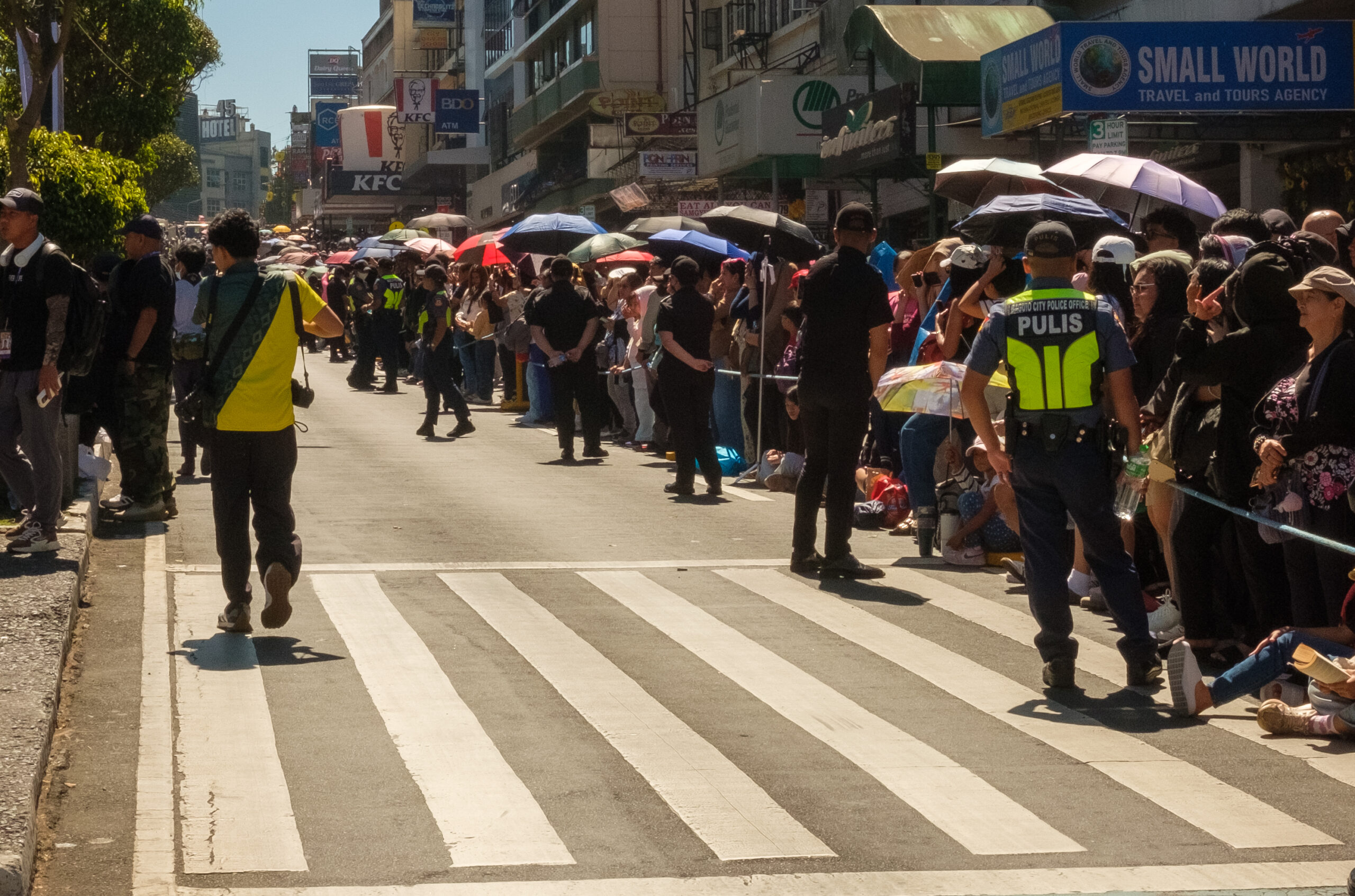
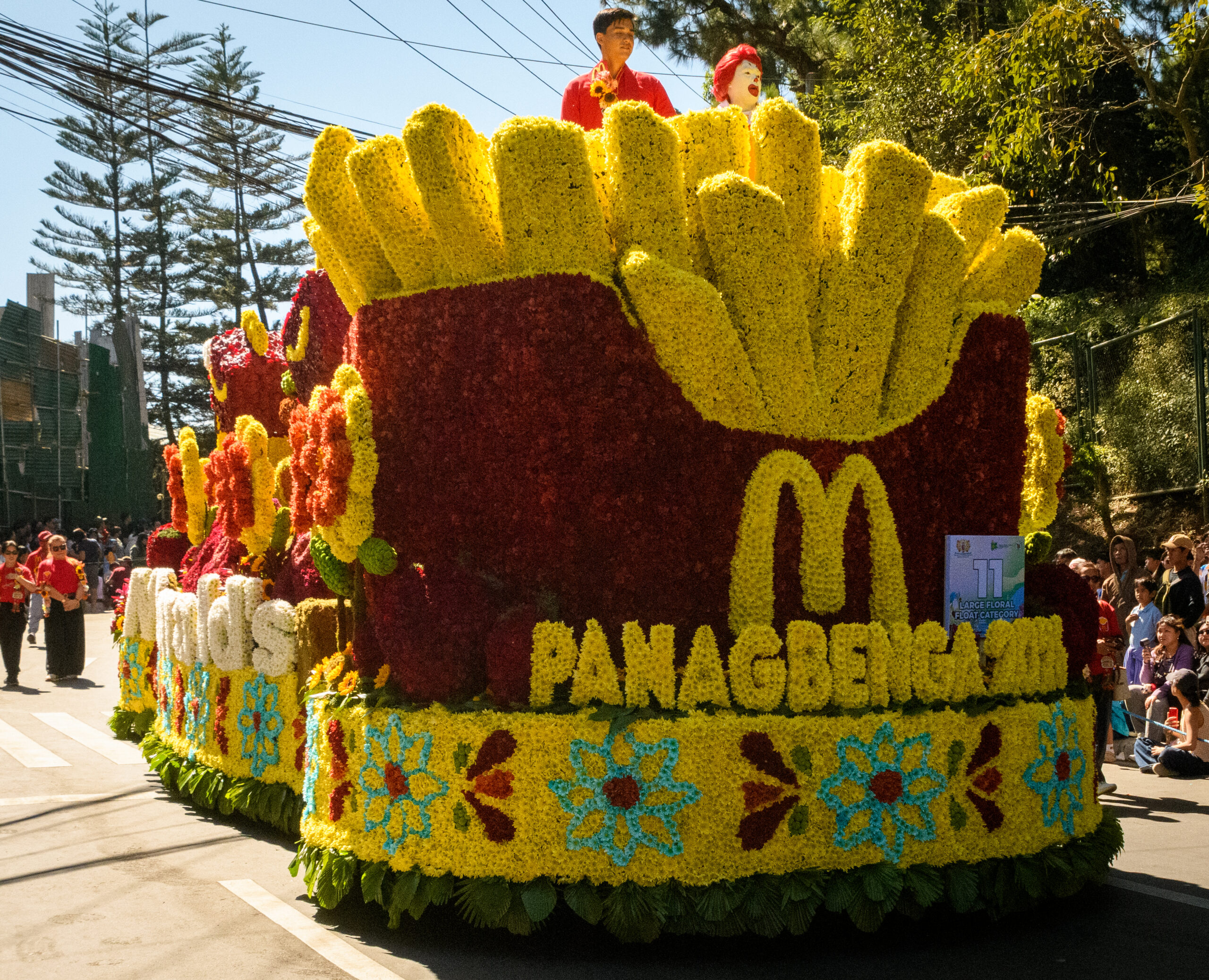
HARVEST RHYTHMS. Members of Tribu Lungsod Pag-asa de Checo’s Street Dancers perform a harvest-inspired routine representing the Pagibang Damara Festival during the 30th Panagbenga Grand Street Dance Parade in Baguio City, Feb. 28, 2026. (Photos courtesy of Neil Clark Ongchangco)
BAGUIO CITY — Youth performers from Nueva Ecija brought harvest traditions to the highlands as Tribu Lungsod Pag-asa de Checo’s Street Dancers joined the Grand Street Dance Parade of the 30th edition of the Panagbenga Festival in Baguio City on Feb. 28, 2026.
Representing the Pagibang Damara Festival of San Jose City, also known as Lungsod Pag-asa, the group highlighted the agricultural heritage of one of Central Luzon’s leading rice- and vegetable-producing provinces.
The term “damara” refers to a small bamboo-and-nipa hut built by farmers in rice fields as shelter during planting and harvest seasons.
The act of “pagiba,” or dismantling the hut, symbolizes the end of a fruitful harvest and the beginning of thanksgiving celebrations.
Observed every third Sunday of April in San Jose City, the Pagibang Damara Festival has evolved into a cultural event celebrating unity, gratitude and economic vitality rooted in farming communities.
During the parade, the dancers dramatized farmers’ sacrifices through synchronized choreography, drum-driven rhythms and costumes inspired by rural life.
Bamboo props resembling the traditional damara huts formed part of the routine, underscoring the symbolism of rebuilding for a new planting season.
Their participation in Panagbenga’s milestone 30th edition marked a significant platform for the young performers to introduce Nueva Ecija’s harvest traditions to a broader national audience.
As floral floats and cultural contingents filled Baguio’s main thoroughfares, the Pagibang Damara dancers carried a message of resilience and gratitude — values shared by both farming communities and the host city itself.